Demonym: Yemeni
Capital City: Sana'a
Coordiantes: 15°20′54″N 44°12′23″E
Population: 34.5 million
HDI (Human Development Index): 0.424
GDP (Nominal): $21.045bil
Yemen, located on the southern tip of the Arabian Peninsula, is a country steeped in history and cultural richness. Known for its diverse landscapes, ancient architecture, and vibrant traditions, Yemen is often referred to as the "Cradle of Civilization." Despite facing significant challenges, including political instability and humanitarian crises, the resilience of its people and the beauty of its heritage continue to shine through. This description explores Yemen’s geography, climate, cultural heritage, nature and biodiversity, economy, and a concluding perspective on its future.
Geography and Climate
Yemen's geography is characterized by varied landscapes, including rugged mountains, arid deserts, and a long coastline along the Red Sea and the Arabian Sea. The country features the Sarawat mountain range, which runs from north to south, with the highest peak being Jebel an-Nabi Shu'ayb, reaching approximately 3,666 meters (12,000 feet). The Tihama coastal plain lies along the Red Sea, providing fertile grounds for agriculture.
The climate in Yemen varies significantly by region. The coastal areas experience a hot desert climate, while the highlands enjoy a more temperate climate, with cooler temperatures and higher rainfall. The summer months can be extremely hot, especially in the desert regions, while winters are mild. Rainfall is sporadic, predominantly occurring between June and September, which is crucial for the country’s agriculture.
Cultural Heritage
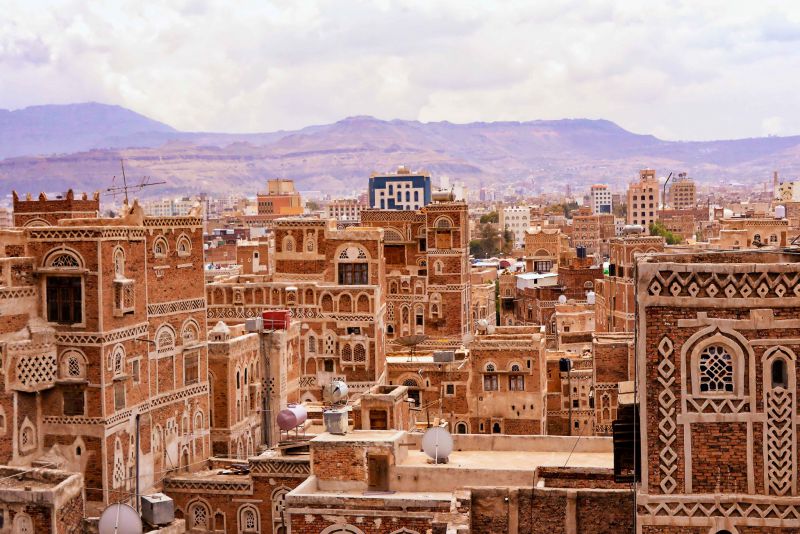
Yemen's cultural heritage is one of its most defining features, shaped by its long history as a crossroads for trade and civilization. The country is home to numerous UNESCO World Heritage Sites, including the ancient city of Sana'a, known for its distinctive architecture and historic buildings. The Old City of Shibam, often referred to as "the Manhattan of the Desert," is famous for its towering mudbrick skyscrapers.
Yemeni culture is rich in traditions, with influences from Arab, African, and Ottoman cultures. The country is renowned for its unique cuisine, featuring dishes like "salta" (a traditional stew) and "sahawiq" (a spicy dip). Festivals, music, and dance play a significant role in community life, reflecting the vibrant spirit of the Yemeni people.
Nature and Biodiversity
Yemen’s diverse geography supports a variety of ecosystems, from coastal regions and wetlands to mountainous areas and deserts. The country is home to several endemic species, including the Arabian leopard and the Arabian oryx, both of which are endangered. The Socotra Archipelago, a UNESCO World Heritage Site, is particularly notable for its unique flora and fauna, with around 30% of its plant species found nowhere else on Earth.
However, Yemen's biodiversity faces significant threats from habitat destruction, climate change, and conflict. Conservation efforts are critical to preserving the country’s natural heritage, although these initiatives are often hampered by ongoing instability.
Economy
Yemen’s economy has historically relied on agriculture, oil, and remittances from Yemenis working abroad. Oil production has been a significant source of revenue, but ongoing conflict has severely impacted the sector. Agriculture, including the cultivation of coffee, qat (a traditional stimulant plant), and various fruits and vegetables, remains vital for livelihoods but faces challenges due to water scarcity and environmental degradation.
In recent years, the economic situation has deteriorated significantly, with high inflation, unemployment, and limited access to essential services. International aid plays a crucial role in supporting the population amidst the humanitarian crisis.
Conclusion
Yemen is a country of remarkable history, cultural depth, and natural beauty, yet it faces profound challenges due to ongoing conflict and humanitarian crises. The resilience of its people, along with its rich cultural heritage and biodiversity, offers hope for a brighter future. As Yemen navigates the complexities of rebuilding and recovery, fostering peace and stability will be essential for preserving its unique identity and ensuring a sustainable path forward. The world’s attention and support are crucial for Yemen to emerge from its difficulties and thrive once again.