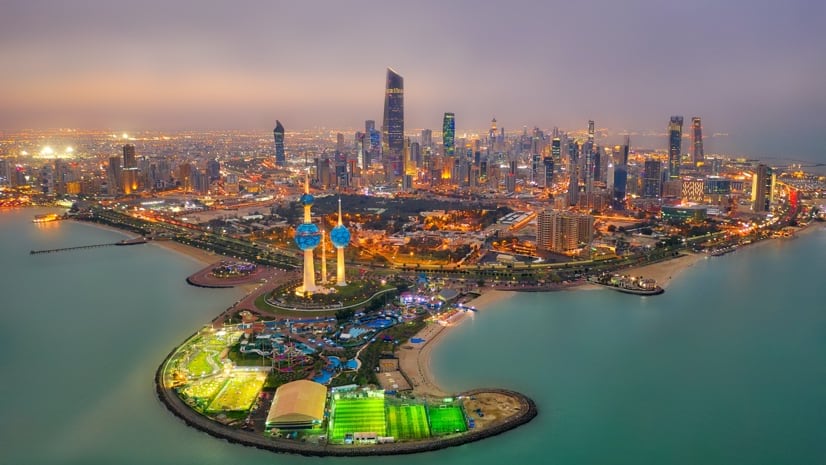
Demonym: Kuwaiti
Capital City: Kuwait City
Coordiantes: 29.3759° N, 47.9774° E
Population: 3.14 million
HDI (Human Development Index): 0.847
GDP (Nominal): $249.3bil
Kuwait, a small but influential country located at the northeastern edge of the Arabian Peninsula, is known for its significant economic wealth, modern infrastructure, and rich cultural heritage. Bordered by Iraq to the north and Saudi Arabia to the south, with a coastline along the Persian Gulf, Kuwait has played a crucial role in regional trade and diplomacy. Despite its limited geographical size, Kuwait’s blend of tradition and modernity makes it a unique destination in the Gulf region. This description examines Kuwait’s geography and climate, cultural heritage, nature and biodiversity, economy, and concludes with an overview of its future prospects.
Geography and Climate
Kuwait's geography is primarily flat and arid, with the highest point reaching only about 300 meters (984 feet) above sea level. The country consists mainly of desert terrain, interspersed with a few low-lying hills and a significant coastline of approximately 500 kilometers (310 miles) along the Persian Gulf. The islands of Failaka, Bubiyan, and Warba are also part of Kuwait’s territory, contributing to its maritime landscape.
The climate in Kuwait is characterized by extreme heat during the summer months, with temperatures often exceeding 50°C (122°F). Winters are mild and pleasant, with temperatures ranging from 10°C to 20°C (50°F to 68°F). Rainfall is scarce, typically occurring between November and April, and the country is prone to dust storms, particularly in the spring.
Cultural Heritage
Kuwait has a rich cultural heritage that reflects its historical significance as a trading hub. The country’s traditional architecture, such as the iconic Kuwaiti dhow, represents its maritime history. The Grand Mosque, a stunning example of Islamic architecture, is one of the largest mosques in the country and serves as a centerpiece of Kuwaiti culture.
Kuwaitis take great pride in their traditions, which include folk music, dance, and handicrafts. The country celebrates various festivals, including Eid al-Fitr and Eid al-Adha, which feature traditional foods and communal activities. The Kuwait National Museum showcases the nation’s history, art, and culture, while the annual Kuwait International Book Fair emphasizes the importance of literature and education.
Nature and Biodiversity
While Kuwait is predominantly arid, it is home to a variety of ecosystems and wildlife. Coastal areas provide habitat for various bird species, particularly migratory birds that stop during their travels. The country also features a few protected areas, such as the Sulaibikhat Bay Nature Reserve, which is vital for preserving marine and coastal biodiversity.
However, Kuwait’s natural environment faces challenges due to urban development and industrialization. Efforts are underway to promote environmental awareness and conservation, including initiatives to protect endangered species and restore natural habitats.
Economy
Kuwait has one of the highest per capita incomes in the world, largely due to its abundant oil reserves. Oil production is the backbone of the economy, accounting for a significant portion of the country's GDP and government revenue. The Kuwait Oil Company, established in the early 20th century, plays a pivotal role in managing these resources.
In recent years, Kuwait has been actively working to diversify its economy through initiatives such as Kuwait Vision 2035, which aims to reduce dependency on oil and promote sectors like tourism, finance, and education. Investments in infrastructure, technology, and renewable energy are also part of this vision, reflecting a commitment to sustainable development.
Conclusion
Kuwait is a nation that harmoniously blends its rich cultural heritage with modern economic development. Despite its small size, the country plays a significant role in regional affairs and global markets due to its vast oil resources. As Kuwait navigates the challenges of economic diversification and environmental sustainability, its commitment to preserving its cultural identity and heritage will remain essential. With its strategic initiatives and a resilient population, Kuwait is poised to continue its journey of growth and modernization, ensuring a vibrant future for its citizens.