Demonym: Qatari
Capital City: Doha
Coordiantes: 25°18′N 51°31′E
Population: 3.2 million
HDI (Human Development Index): 0.875
GDP (Nominal): $221.4bil
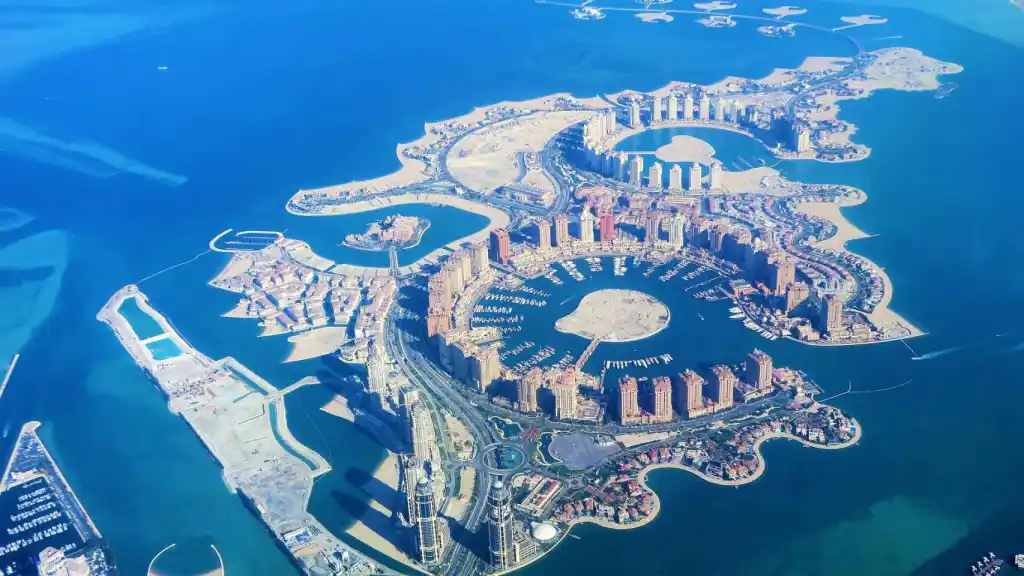
Qatar, a small but influential nation located on the northeastern coast of the Arabian Peninsula, has rapidly transformed into a key player on the global stage. Known for its vast natural gas reserves and modern infrastructure, Qatar combines traditional Arab culture with a forward-looking vision for development. Its capital, Doha, is a bustling metropolis that reflects the country's wealth and ambition. This description explores Qatar’s geography and climate, cultural heritage, nature and biodiversity, economy, and concludes with a perspective on its future.
Geography and Climate
Qatar is a peninsula bordered by the Persian Gulf on three sides and shares a land border with Saudi Arabia to the south. The country covers an area of approximately 11,586 square kilometers (4,471 square miles), making it one of the smallest sovereign states in the world. Its landscape is predominantly flat and arid, characterized by sandy deserts, salt flats, and coastal areas.
The climate in Qatar is classified as arid desert, with extremely hot summers and mild winters. Summer temperatures can soar above 45°C (113°F), especially from June to September, while winter temperatures range from 14°C to 24°C (57°F to 75°F). Rainfall is infrequent, averaging about 75 millimeters (3 inches) annually, mostly occurring between November and April. This harsh climate influences local architecture and lifestyle, emphasizing the need for effective cooling systems and water conservation.
Cultural Heritage
Qatar’s cultural heritage is deeply rooted in its Bedouin traditions and Islamic values. The country has invested heavily in preserving its cultural identity while embracing modernization. Key landmarks include the Museum of Islamic Art, designed by architect I.M. Pei, which houses a vast collection of artifacts spanning centuries and cultures.
Traditional crafts such as weaving, pottery, and falconry remain vital parts of Qatari culture. The annual Qatar International Art Festival and the Doha Film Institute promote artistic expression and cultural exchange. Festivals like Eid al-Fitr and Eid al-Adha are widely celebrated, featuring traditional foods, music, and dance, reflecting the deep-seated community values of hospitality and generosity.
Nature and Biodiversity
Qatar’s natural environment features a variety of ecosystems, including coastal areas, deserts, and marine habitats. The country is home to several protected areas, such as the Al Thakira Mangroves and the Khor Al Adaid (Inland Sea), which support a range of wildlife, including migratory birds and marine life.
However, Qatar's biodiversity faces challenges due to urban development and climate change. Efforts to promote environmental sustainability include initiatives to protect natural habitats and marine ecosystems. The Qatar National Parks and Wildlife Department plays a crucial role in conservation efforts, focusing on preserving endangered species and promoting environmental awareness among the public.
Economy
Qatar boasts one of the highest per capita incomes in the world, largely due to its vast reserves of natural gas and oil. The country is one of the leading exporters of liquefied natural gas (LNG), which has fueled its rapid economic growth. The government has actively sought to diversify its economy through initiatives like Qatar National Vision 2030, which aims to reduce dependency on hydrocarbon revenues and promote sectors such as education, healthcare, and tourism.
Significant investments in infrastructure have transformed Qatar into a global hub for business and tourism. The country is preparing to host major international events, including the FIFA World Cup 2022, which underscores its ambitions to enhance its global profile.
Conclusion
Qatar is a nation that successfully blends its rich cultural heritage with modern ambitions. Its strategic location, abundant natural resources, and commitment to development position it as a significant player in the Gulf region and beyond. As Qatar continues to navigate the challenges of economic diversification and environmental sustainability, it remains focused on preserving its unique identity while embracing innovation. With its vibrant culture and ambitious vision for the future, Qatar is poised to continue making its mark on the global stage.