Demonym: Japanese
Capital City: Tokyo
Coordiantes: 35°41′N 139°46′E
Population: 123.9 million
HDI (Human Development Index): 0.92
GDP (Nominal): $4tril
Japan, an island nation in East Asia, is renowned for its rich cultural heritage, advanced technology, and stunning natural landscapes.
Comprising over 6,800 islands, the four largest—Honshu, Hokkaido, Kyushu, and Shikoku—account for most of the country’s landmass.
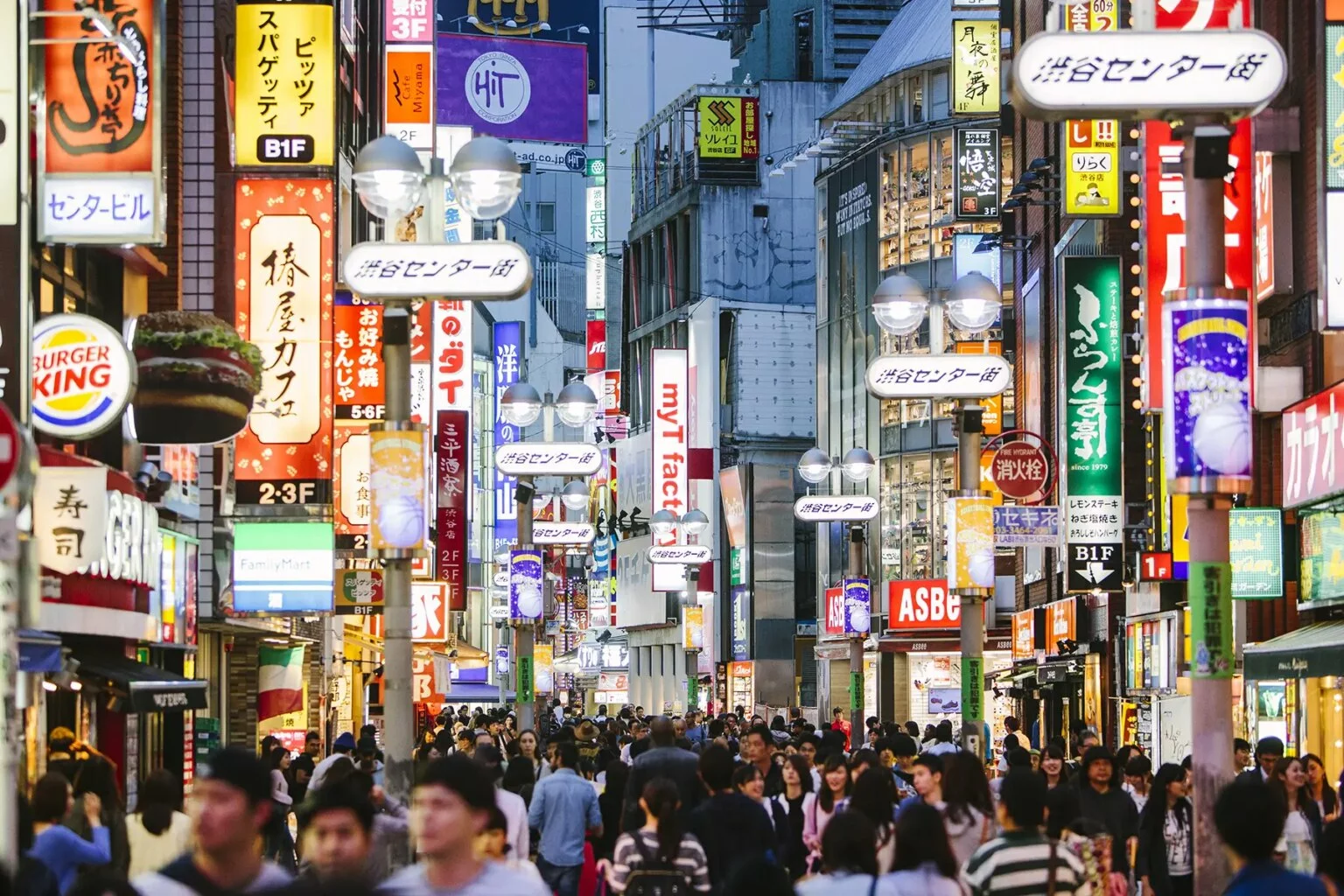
With a population of approximately 126 million, Japan is one of the most densely populated countries in the world, characterized by bustling cities, serene countryside, and a unique blend of tradition and modernity.
Geography and Climate
Japan’s geography is diverse, featuring mountainous terrains, coastal plains, and beautiful islands.
The Japanese archipelago is home to over 100 volcanoes, including the iconic Mount Fuji, which stands at 3,776 meters and is a UNESCO World Heritage Site.
The country’s varied landscapes include lush forests, rice paddies, and picturesque coastlines, offering a wide range of natural beauty.
The climate varies significantly from north to south.
Hokkaido experiences cold winters with heavy snowfall, while southern regions like Okinawa enjoy a subtropical climate with mild winters.
The main islands experience four distinct seasons, each bringing its own beauty—from cherry blossoms in spring to vibrant foliage in autumn.
Cultural Heritage
Japan’s cultural heritage is a rich tapestry woven from ancient traditions, religious beliefs, and modern influences.
Shinto and Buddhism are the two primary religions, deeply ingrained in the cultural fabric.
Shinto shrines and Buddhist temples are prevalent across the country, with iconic sites like the Fushimi Inari Shrine in Kyoto and the Senso-ji Temple in Tokyo.
Japanese art, literature, and performing arts have a long history, including traditional forms such as tea ceremonies, calligraphy, ikebana (flower arranging), and kabuki theater.
The country is also famous for its unique culinary traditions, with dishes like sushi, ramen, and tempura celebrated worldwide.
Japanese cuisine emphasizes seasonal ingredients and presentation, reflecting the culture's aesthetic values.
Economy
Japan has the third-largest economy in the world, characterized by advanced technology, manufacturing, and innovation.
The country is a global leader in industries such as automotive, electronics, robotics, and pharmaceuticals.
Major companies like Toyota, Sony, and Panasonic have established Japan as a hub for high-quality production and technological advancements.
In addition to manufacturing, Japan's economy is bolstered by tourism, with millions of visitors flocking to experience its rich culture, historical sites, and natural beauty.
Key tourist destinations include Tokyo, Kyoto, Hiroshima, and the hot springs of Hakone and Beppu.
Natural Beauty and Biodiversity
Japan’s natural landscapes are stunning, with a variety of national parks and World Heritage Sites that showcase its biodiversity.
The Japanese Alps offer breathtaking hiking trails, while areas like Nara and Kamikochi are known for their scenic beauty.
Japan is also famous for its seasonal attractions, including cherry blossoms in spring and vibrant maple leaves in autumn.
The country is committed to environmental conservation, with numerous initiatives to protect its unique ecosystems.
Japan is home to a variety of wildlife, including the Japanese macaque, red-crowned crane, and various endemic species.
Conclusions
Japan is a nation that beautifully balances ancient traditions with cutting-edge modernity.
Its rich cultural heritage, diverse landscapes, and robust economy make it a captivating destination for travelers and a significant player on the global stage.
As Japan continues to navigate the complexities of the 21st century, it remains a country that inspires admiration and curiosity, embodying resilience, creativity, and harmony with nature.