Demonym: Chinese
Capital City: Beijing
Coordiantes: 39°55′N 116°23′E
Population: 1.5 billion
HDI (Human Development Index): 0.788
GDP (Nominal): $18.273tril
China, officially known as the People's Republic of China (PRC), is the world's most populous country and the fourth largest by area, spanning approximately 9.6 million square kilometers.
Located in East Asia, China shares borders with 14 countries, including India, Russia, Mongolia, and Vietnam.
It boasts a rich history that dates back thousands of years, making it one of the world's oldest continuous civilizations.
Geography and Climate
China’s geography is incredibly diverse, encompassing mountains, plateaus, deserts, and rivers.
The Himalayas, which include Mount Everest, form the southwestern border, while the Tibetan Plateau, known as "the Roof of the World," lies to the west.
The eastern region features fertile plains and river basins, particularly the Yangtze and Yellow Rivers, which are central to the country’s agriculture and history.
The climate varies widely across the country due to its vast size.
Northern China experiences cold winters and hot summers, while southern regions have a subtropical climate with mild winters and hot, humid summers.
The northwestern part of the country, including areas like Xinjiang, has a desert climate, while coastal areas are prone to typhoons during the summer months.
Cultural Diversity
China is home to a rich tapestry of cultures, languages, and ethnic groups.
The Han Chinese, making up approximately 92% of the population, are the largest ethnic group, while 55 officially recognized minority groups, including Tibetans, Uighurs, and Mongols, add to the nation’s cultural richness.
Mandarin Chinese, or Putonghua, is the official language, but numerous dialects and languages are spoken across the country, reflecting its regional diversity.
Chinese culture is steeped in traditions, philosophies, and arts.
Confucianism, Taoism, and Buddhism have deeply influenced social values, ethics, and customs.
Festivals such as Chinese New Year, the Mid-Autumn Festival, and the Dragon Boat Festival are celebrated with colorful customs, traditional foods, and family gatherings.
Chinese cuisine, known for its diversity, varies by region, with dishes like Peking duck, Sichuan hotpot, and dim sum gaining global recognition.
Economy
China has transformed into one of the world’s largest economies, transitioning from a primarily agrarian society to an industrial powerhouse.
The country is a leading manufacturer and exporter of goods, including electronics, textiles, and machinery.
Cities like Shanghai and Shenzhen are at the forefront of technological innovation, with a burgeoning tech industry driving economic growth.
In recent years, China has sought to shift towards a more consumption-driven economy, focusing on sustainable development, innovation, and higher value-added manufacturing.
Initiatives such as the Belt and Road Initiative aim to enhance infrastructure and trade connectivity with countries around the world.
Natural Beauty and Biodiversity
China’s diverse landscapes are home to an array of natural wonders, including the Great Wall, the Terracotta Army, and the stunning karst formations of Guilin.
The country boasts numerous national parks and protected areas, such as Zhangjiajie National Forest Park and Jiuzhaigou Valley, showcasing its rich biodiversity.
China is home to many unique species, including the giant panda, snow leopards, and the golden monkey.
Conclusions
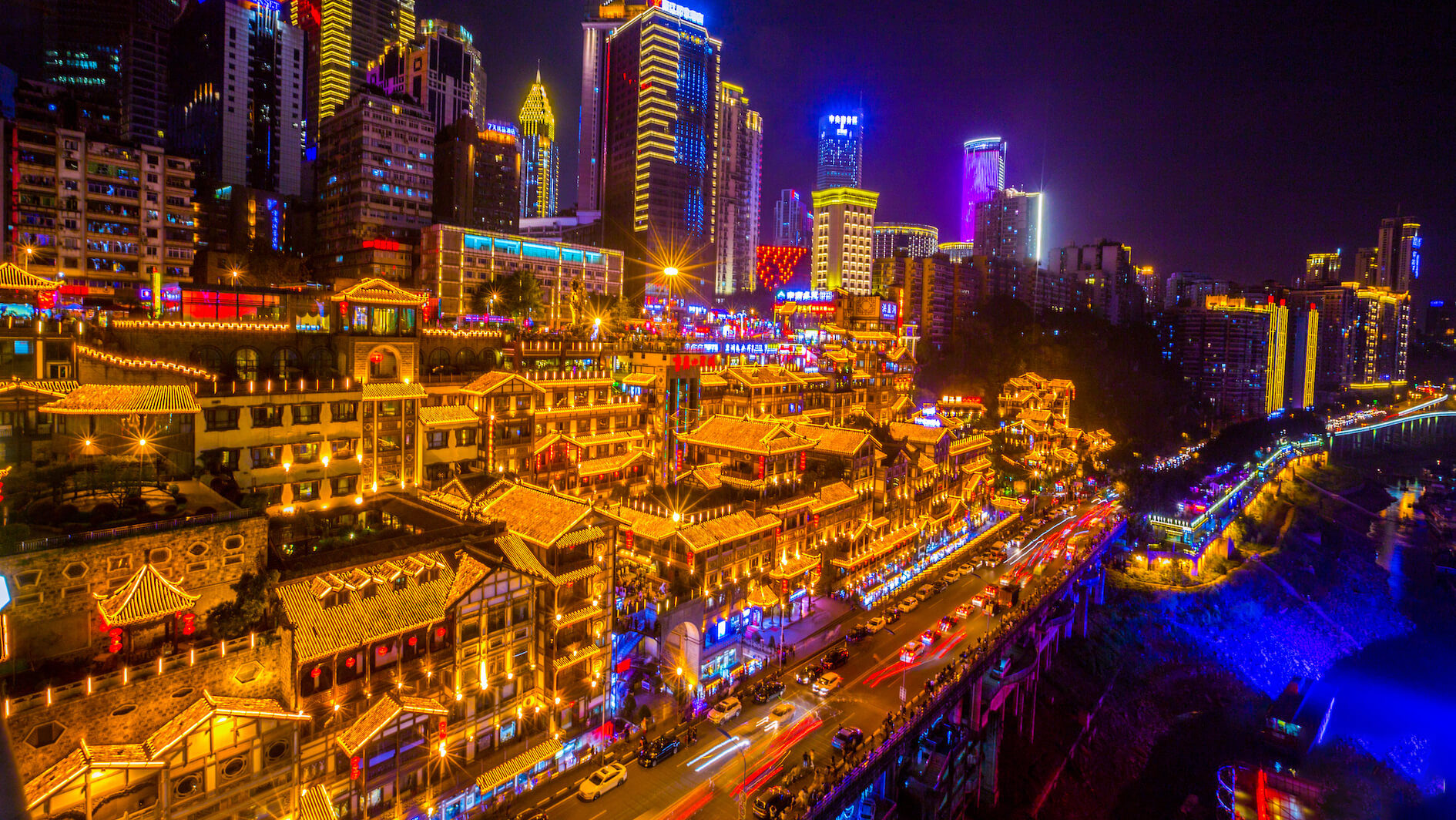
China is a nation of contrasts, where ancient traditions coexist with rapid modernization.
Its rich cultural heritage, diverse geography, and dynamic economy make it a fascinating destination for exploration and study.
As China continues to play a significant role on the global stage, it remains a country that captivates the world with its history, innovation, and resilience.