Demonym: Malaysian
Capital City: Kuala Lumpur
Coordiantes: 3°8′N 101°41′E
Population: 34.6 million
HDI (Human Development Index): 0.807
GDP (Nominal): $445.519bil
Malaysia, a vibrant Southeast Asian nation, is known for its rich cultural diversity, stunning landscapes, and dynamic economy.
Located on the Malay Peninsula and the island of Borneo, Malaysia covers an area of approximately 330,803 square kilometers and is home to around 33 million people.
The country is divided into two main regions: Peninsular Malaysia (West Malaysia) and East Malaysia, which is situated on Borneo.
Geography and Climate
Malaysia's geography is characterized by its tropical climate, lush rainforests, mountainous terrains, and beautiful coastlines.
The country boasts a diverse topography, including the famous Titiwangsa Mountains, which run down the center of Peninsular Malaysia, and the extensive lowland rainforests of Borneo, known for their rich biodiversity.
The coastal areas are adorned with stunning beaches and islands, such as Langkawi and the Perhentian Islands, which attract tourists from around the world.
The climate is typically equatorial, with high humidity and temperatures averaging between 25°C and 32°C year-round.
Malaysia experiences two monsoon seasons: the Southwest Monsoon from May to September and the Northeast Monsoon from November to March, which brings heavy rainfall to different parts of the country.
Cultural Diversity
One of Malaysia's defining features is its incredible cultural diversity.
The population consists primarily of three major ethnic groups: Malays, Chinese, and Indians, alongside numerous indigenous groups known as the Orang Asli and various others.
This mix of cultures is reflected in the country’s festivals, cuisine, languages, and traditions.
Malay is the official language, but English, Mandarin, Tamil, and various dialects are also widely spoken.
The country celebrates a variety of cultural festivals throughout the year, such as Hari Raya Aidilfitri, Chinese New Year, and Deepavali, showcasing traditional music, dance, and culinary delights.
Malaysian cuisine is a tantalizing fusion of flavors, featuring dishes like nasi lemak, char kway teow, and roti canai, which reflect the influences of its diverse ethnic groups.
Economy
Malaysia has a robust and rapidly growing economy, characterized by a diverse range of sectors, including manufacturing, services, and agriculture.
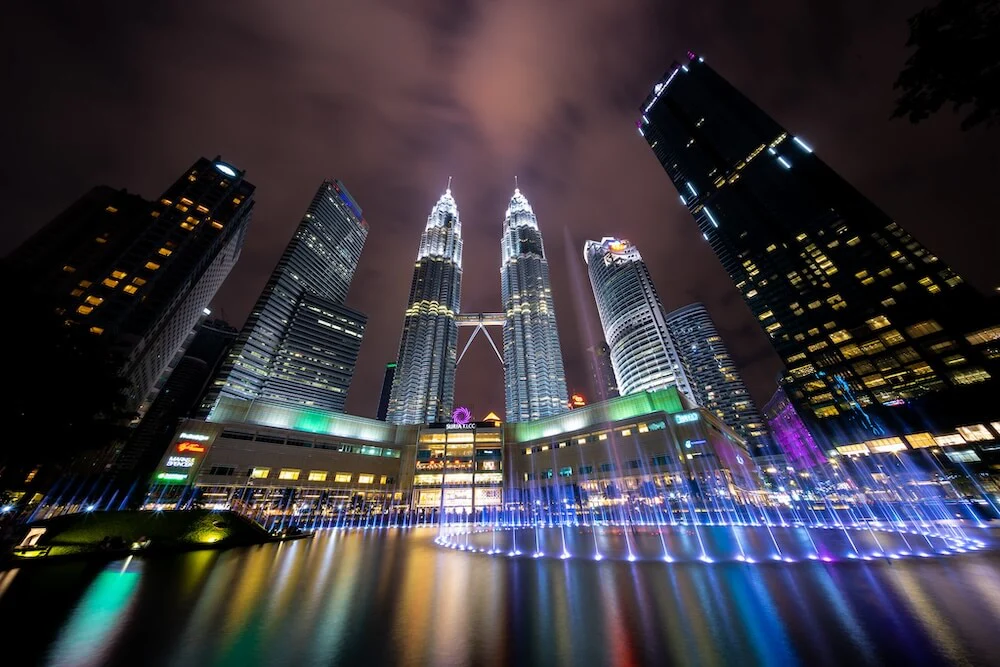
The country is a leading exporter of palm oil, rubber, and electronics. Kuala Lumpur, the capital, serves as the economic and financial hub, known for its impressive skyline dominated by the iconic Petronas Twin Towers.
In recent years, the Malaysian government has focused on diversifying the economy, promoting technology, tourism, and sustainable development.
The nation aims to become a high-income economy by enhancing innovation and improving infrastructure.
Natural Beauty and Biodiversity
Malaysia is renowned for its stunning natural beauty and rich biodiversity.
It is home to some of the oldest rainforests in the world, such as the Taman Negara National Park, which offers a wealth of flora and fauna.
The country’s national parks and marine reserves, including the UNESCO-listed Gunung Mulu National Park, are vital for conservation efforts and provide opportunities for eco-tourism.
The country’s diverse ecosystems support endangered species, such as the Malayan tiger, Bornean orangutan, and various species of birds and reptiles.
Marine life thrives in coral reefs around islands like Sipadan, making it a popular destination for diving enthusiasts.
Conclusion
Malaysia is a country of contrasts, where modernity meets tradition and cultural diversity enriches everyday life.
With its stunning landscapes, dynamic economy, and vibrant culture, Malaysia offers a unique experience for visitors and a promising future for its people.
As the nation continues to grow and evolve, it remains a captivating destination in Southeast Asia, embodying the spirit of unity in diversity.