Demonym: Bruneian
Capital City: Bandar Seri Begawan
Coordiantes: 4°53.417′N 114°56.533′E
Population: 450,000
HDI (Human Development Index): 0.823
GDP (Nominal): $15.783bil
Brunei, officially known as the Nation of Brunei, the Abode of Peace, is a small but affluent sovereign state located on the island of Borneo in Southeast Asia.
Bordered by Malaysia and the South China Sea, Brunei covers an area of approximately 5,765 square kilometers, making it one of the smallest countries in the world.
Despite its size, Brunei boasts a wealth of natural resources, a rich cultural heritage, and a high standard of living.
Geography and Climate
Brunei’s landscape is characterized by lush rainforests, rolling hills, and a coastline that stretches for about 161 kilometers.
The country is divided into two separate enclaves by the Malaysian state of Sarawak.
The capital, Bandar Seri Begawan, is located in the larger section, situated along the Brunei River.
The climate is tropical, with high humidity and temperatures averaging between 24°C and 32°C throughout the year.
The wet season runs from November to January, contributing to the rich biodiversity that thrives in the region.
Cultural Heritage
Brunei’s culture is heavily influenced by Islam, the predominant religion, which plays a significant role in the daily lives of its citizens.
The nation is an Islamic sultanate, and the Sultan of Brunei, currently Hassanal Bolkiah, is both the head of state and the head of government.
This unique political structure shapes the cultural landscape, where traditional customs blend with modern influences.
The official language is Malay, but English is widely spoken, especially in business and education.
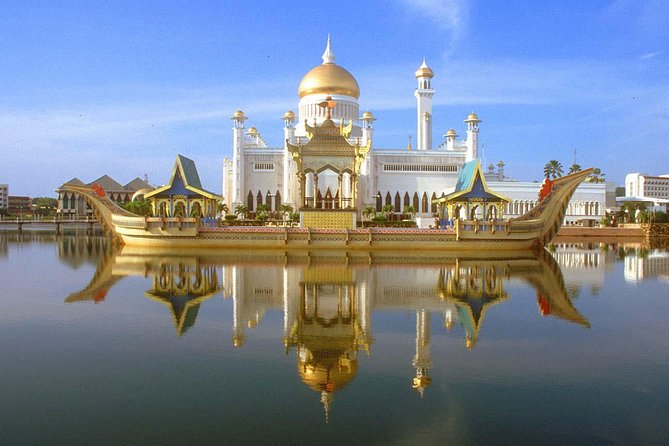
The country is renowned for its exquisite mosques, with the Sultan Omar Ali Saifuddien Mosque being the most famous.
This stunning architectural masterpiece features a golden dome and is surrounded by beautiful gardens, symbolizing Brunei’s Islamic identity.
Cultural festivals, such as Hari Raya Aidilfitri and the annual Brunei Festival, showcase traditional music, dance, and cuisine, highlighting the country’s rich heritage.
Economy
Brunei is one of the wealthiest countries in the world, thanks largely to its abundant reserves of oil and natural gas, which contribute to a significant portion of its GDP.
The oil and gas sector drives the economy, providing a high standard of living for its citizens and funding extensive social welfare programs.
However, the government is actively seeking to diversify the economy, encouraging growth in sectors like tourism, finance, and halal products.
Despite its wealth, Brunei faces challenges, including the need for economic diversification and job creation for its youth, as reliance on oil and gas makes the economy vulnerable to fluctuations in global prices.
Natural Beauty and Biodiversity
Brunei is rich in natural beauty, with over 70% of its land covered by pristine rainforest.
The Ulu Temburong National Park, often referred to as the "Green Jewel of Brunei," is a highlight, featuring diverse ecosystems, pristine rivers, and unique wildlife, including the endangered proboscis monkey.
The park offers eco-tourism opportunities, allowing visitors to experience the lush environment through guided tours and canopy walks.
Conclusion
Brunei is a small nation with a profound identity, characterized by its wealth, cultural richness, and commitment to preserving its natural heritage.
As it navigates the complexities of modernization and economic diversification, Brunei remains a beacon of stability and prosperity in Southeast Asia.
Its blend of tradition and progress offers a unique experience for visitors, showcasing the beauty and resilience of its people and landscapes.