Demonym: Indonesian
Capital City: Nusantara
Coordiantes: 0.7893° S, 113.9213° E
Population: 277.5 million
HDI (Human Development Index): 0.713
GDP (Nominal): $1.371tril
Indonesia, the world’s largest archipelagic state, is an extraordinary nation that spans over 17,000 islands, making it the fourth most populous country with a diverse population exceeding 270 million people.
Located in Southeast Asia, it stretches across the equator between the Indian and Pacific Oceans, providing a unique blend of climates, ecosystems, and cultures.
Geography and Climate
The country’s geography is as varied as its culture, featuring volcanic mountains, lush rainforests, pristine beaches, and vibrant coral reefs.
Major islands include Java, Sumatra, Borneo (Kalimantan), Sulawesi, and New Guinea. Java, the most populous island, is home to the capital city, Jakarta, which serves as the political and economic center of the nation.
Indonesia’s tropical climate results in two main seasons: a wet season and a dry season, fostering rich biodiversity that includes thousands of plant and animal species, some of which are endemic.
Cultural Diversity
Indonesia boasts a rich tapestry of cultures, languages, and traditions.
Over 300 ethnic groups inhabit the islands, with the Javanese being the largest.
Each ethnic group has its own distinct customs, languages, and beliefs.
Bahasa Indonesia is the official language, serving as a unifying force amid the linguistic diversity, with over 700 languages spoken throughout the archipelago.
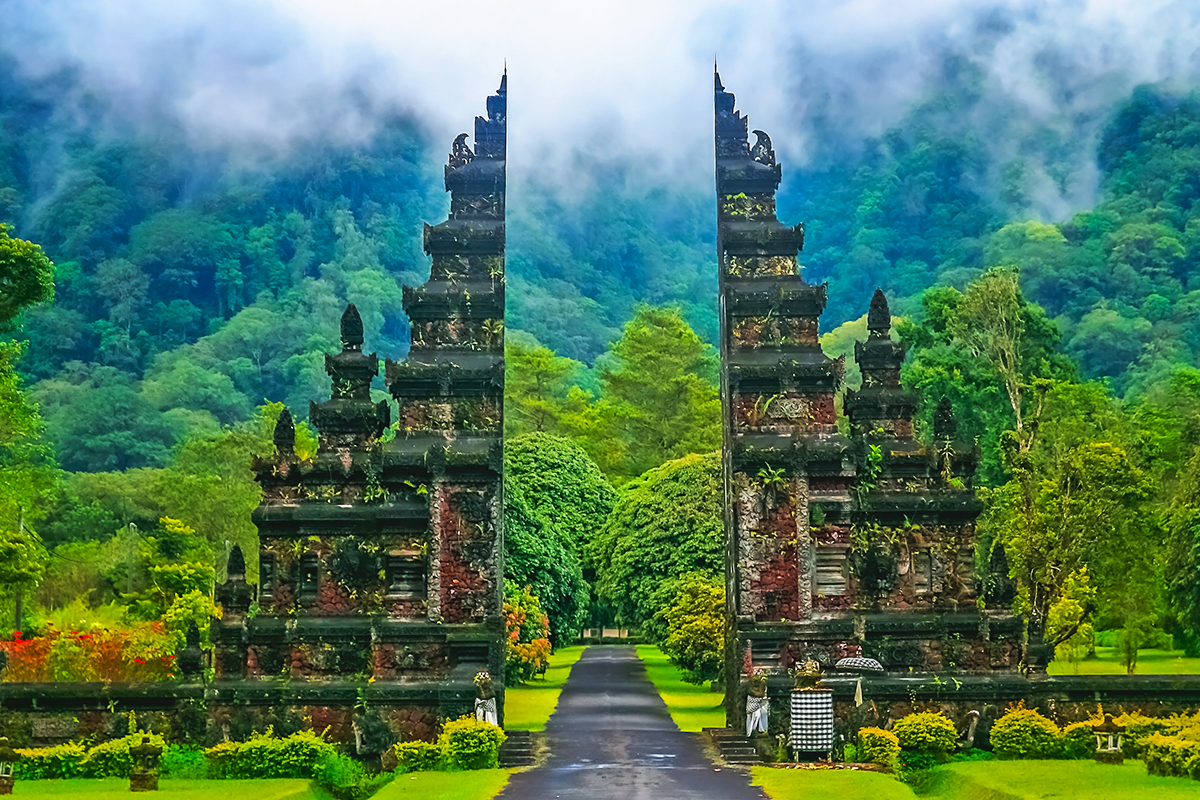
The nation’s religious composition is primarily Muslim, but there are significant populations of Christians, Hindus, and Buddhists, particularly in regions like Bali, which is renowned for its Hindu culture and stunning landscapes.
Economy
Indonesia is classified as an emerging market and is a member of the G20.
Its economy is diverse, with agriculture, manufacturing, and services sectors playing crucial roles.
The country is one of the world’s largest producers of palm oil, rubber, and coffee.
Tourism is also a significant contributor, drawing millions of visitors to its beautiful landscapes, historical sites, and cultural festivals.
The vibrant street food culture, marked by local specialties such as nasi goreng (fried rice) and satay (skewered meat), enhances the country’s appeal.
Biodiversity and Natural Wonders
Indonesia is recognized for its extraordinary biodiversity, housing some of the world’s most iconic natural wonders.
The Coral Triangle, located in its waters, is the epicenter of marine biodiversity, home to over 600 species of coral and thousands of fish species.
The country is also home to critically endangered species, including the orangutan, Sumatran tiger, and the Javan rhinoceros.
National parks, such as Komodo National Park, offer visitors the chance to see unique wildlife, including the famous Komodo dragon.
Challenges
Despite its many strengths, Indonesia faces significant challenges, including deforestation, pollution, and the impacts of climate change.
Rapid urbanization and industrialization have put immense pressure on the environment, leading to habitat loss and increased greenhouse gas emissions.
Additionally, socio-economic disparities persist, with rural areas often lagging behind urban centers in terms of development.
Conclusion
Indonesia’s rich cultural heritage, stunning natural landscapes, and vibrant economy make it a fascinating nation.
As it navigates the complexities of modernization while preserving its diverse traditions and ecosystems, Indonesia remains a country of profound significance on the global stage, embodying the spirit of resilience and unity amidst diversity.