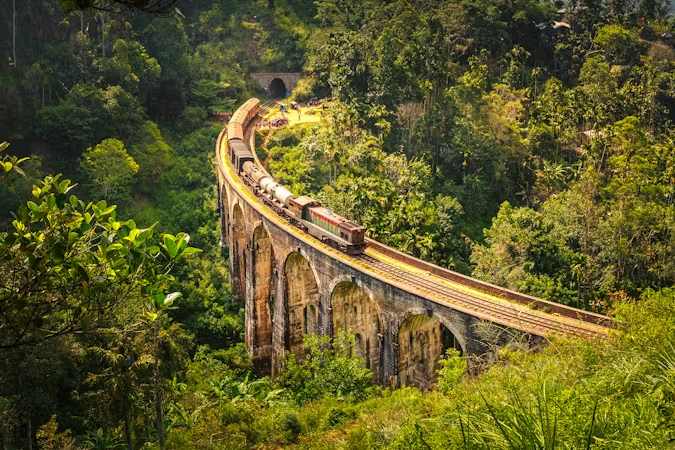
Demonym: Sri Lankan
Capital City: Sri Jayawardenepura Kotte
Coordiantes: 6°56′N 79°52′E
Population: 23 million
HDI (Human Development Index): 0.78
GDP (Nominal): $73.7bil
Sri Lanka, an island nation located in the Indian Ocean, is renowned for its rich cultural heritage, stunning landscapes, and diverse ecosystems. Often referred to as the "Pearl of the Indian Ocean," Sri Lanka is a treasure trove of history and natural beauty, making it a popular destination for travelers seeking both adventure and tranquility. With a population of approximately 22 million people, this tropical paradise is home to a vibrant mix of ethnicities and religions, each contributing to its unique identity.
Geaography and Climate
Sri Lanka spans about 65,610 square kilometers and is characterized by diverse geographical features. The island is divided into several distinct regions, including coastal plains, lush hill country, and the central highlands, which are home to the country’s highest peak, Pidurutalagala. The coastal areas are lined with beautiful beaches, while the interior features tea plantations and dense forests.
The climate in Sri Lanka is predominantly tropical, with two main monsoon seasons: the southwest monsoon from May to September and the northeast monsoon from December to February. The country experiences warm temperatures year-round, with averages ranging from 25°C to 30°C. The varied climate supports a rich diversity of flora and fauna across different regions.
Cultural Heritage
Sri Lanka's cultural heritage is deeply influenced by its long history and the various civilizations that have thrived on the island. The ancient city of Anuradhapura, a UNESCO World Heritage site, showcases the remnants of an advanced civilization, including monumental stupas and ancient palaces. The city of Sigiriya, famous for its rock fortress, is another iconic site that attracts visitors with its historical significance and stunning frescoes.
The majority of the population is Sinhalese, followed by significant Tamil, Muslim, and Burgher communities, each with its distinct traditions. Buddhism plays a central role in the cultural landscape, with sacred sites such as the Temple of the Tooth in Kandy attracting pilgrims from around the world. Festivals like Vesak, which celebrates the birth of the Buddha, and Tamil New Year reflect the island's rich cultural tapestry.
Nature and Biodiversity
Sri Lanka is blessed with breathtaking natural beauty, encompassing pristine beaches, verdant tea plantations, and lush rainforests. The country is home to several national parks, such as Yala and Udawalawe, where visitors can witness diverse wildlife, including elephants, leopards, and a variety of bird species. The Sinharaja Forest Reserve, a UNESCO World Heritage site, is an exceptional example of the island’s rich biodiversity, harboring numerous endemic species.
The coastal regions are famous for their stunning beaches, such as Unawatuna, Mirissa, and Arugam Bay, which offer opportunities for relaxation, surfing, and marine activities. The Central Highlands, with their picturesque tea estates and cool climate, provide a stark contrast to the tropical coastline.
Economy
Sri Lanka's economy is primarily based on agriculture, industry, and services. The country is one of the world's largest producers of tea, rubber, and coconut, which are vital export commodities. Tourism has also become a significant contributor to the economy, with visitors drawn to the island's rich history, wildlife, and natural beauty.
In recent years, the government has focused on developing infrastructure and enhancing the business environment to attract foreign investment. The garment industry, alongside agriculture and tourism, plays a crucial role in economic growth.
Conclusion
In conclusion, Sri Lanka is a captivating island nation that offers a unique blend of cultural heritage, natural beauty, and economic potential. Its diverse landscapes, rich history, and warm hospitality make it a cherished destination for travelers. As Sri Lanka continues to develop and embrace modernity, it remains committed to preserving its cultural identity and natural resources, ensuring that this beautiful island continues to thrive for future generations. The spirit of its people and the allure of its landscapes make Sri Lanka a true gem in the Indian Ocean.