Demonym: Bangladeshi
Capital City: Dhaka
Coordiantes: 23°45′50″N 90°23′20″E
Population: 173.6 million
HDI (Human Development Index): 0.67
GDP (Nominal): $455.166bil
Bangladesh, a vibrant and densely populated nation in South Asia, is known for its rich cultural heritage, diverse ecosystems, and resilient people. With a history that dates back thousands of years and a landscape characterized by lush greenery and waterways, Bangladesh offers a unique blend of tradition and modernity that captivates visitors and scholars alike.
Geaography and Climate
Located to the east of India and bordered by Myanmar to the southeast, Bangladesh covers an area of approximately 147,570 square kilometers. The country is predominantly a low-lying delta formed by the confluence of three major rivers: the Ganges, the Brahmaputra, and the Meghna. This intricate network of rivers creates fertile plains that support agriculture but also makes Bangladesh vulnerable to flooding.
The climate is tropical, characterized by three distinct seasons: a hot and humid summer, a monsoon season marked by heavy rains, and a cooler winter. The monsoon, which typically lasts from June to October, plays a crucial role in replenishing the country's water resources but also brings challenges, including flooding and cyclones. The average temperature ranges from 10°C in winter to over 40°C in summer, affecting daily life and agricultural practices.
Cultural Heritage
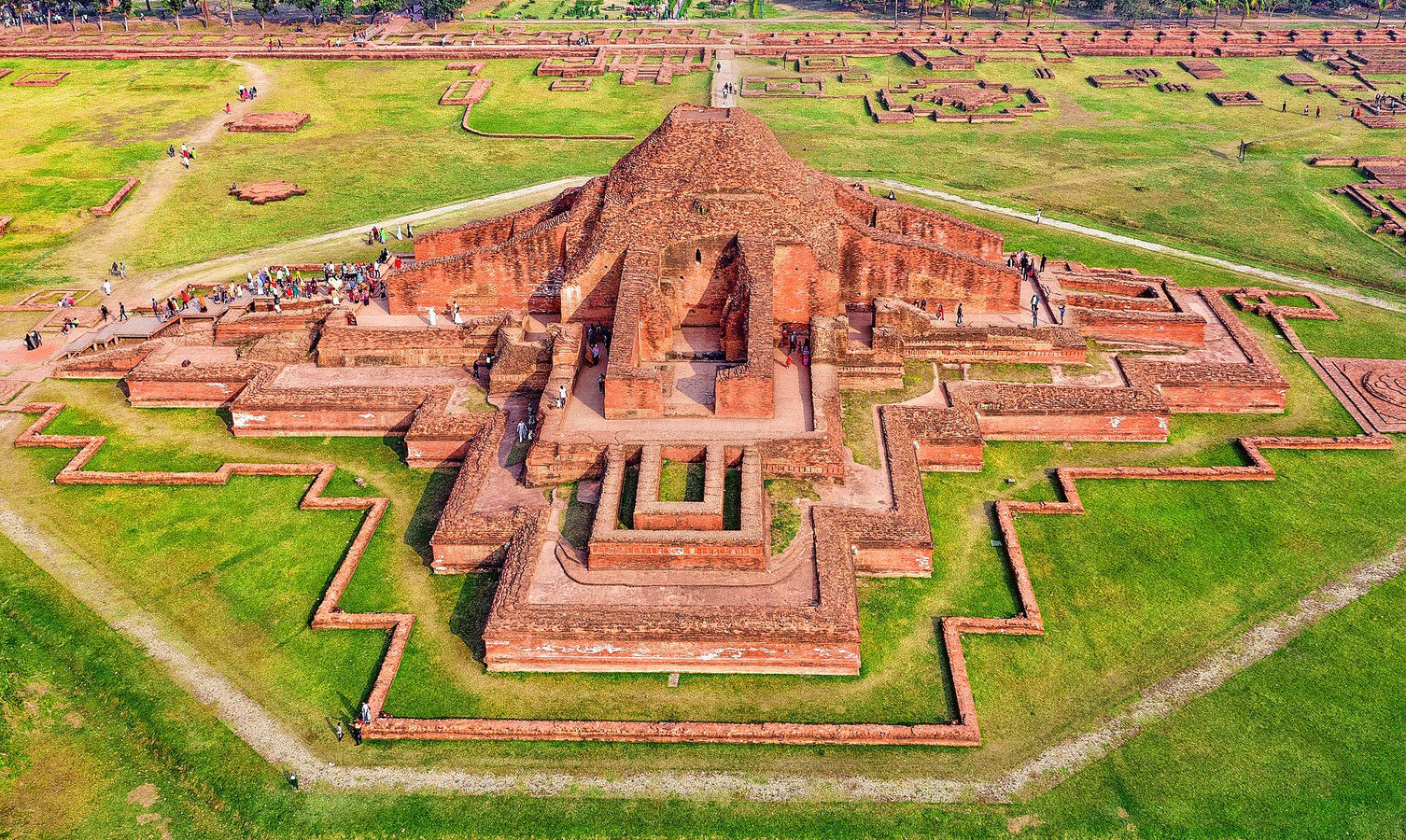
Bangladesh boasts a rich cultural tapestry influenced by various religions, ethnicities, and historical events. The country's history is marked by ancient kingdoms, the Mughal Empire, and British colonialism, all of which have left their mark on its cultural landscape. The Bengali language, with its own script and literary tradition, is a source of national pride, exemplified by the celebration of International Mother Language Day on February 21.
Cultural expressions in Bangladesh are vivid, with music, dance, and art reflecting the country's heritage. Traditional folk music, including Baul and Lalon songs, resonates with the rural populace, while classical forms like Rabindra Sangeet celebrate the works of Rabindranath Tagore. Festivals such as Pohela Boishakh (Bengali New Year) and Durga Puja showcase the rich traditions of the Bengali people.
Nature and Biodiversity
Bangladesh is home to remarkable natural beauty, characterized by its rivers, wetlands, and forests. The Sundarbans, the largest mangrove forest in the world and a UNESCO World Heritage site, is famous for its biodiversity, including the elusive Bengal tiger. This unique ecosystem supports a variety of flora and fauna, making it a crucial area for conservation.
The country is also dotted with picturesque landscapes, such as the tea gardens of Sylhet, the hills of Chittagong, and the stunning beaches of Cox's Bazar, which boasts the longest natural sea beach in the world. These diverse environments not only offer scenic beauty but also support a range of biodiversity, including numerous endemic species.
Economy
Bangladesh's economy is one of the fastest-growing in the world, driven primarily by the garment industry, which accounts for a significant portion of its exports. The country has established itself as a major player in global textile production, providing employment to millions of workers. In addition to textiles, remittances from the Bangladeshi diaspora contribute significantly to the economy.
Agriculture remains a vital sector, employing a large portion of the population and producing staples like rice, jute, and vegetables. In recent years, the government has focused on improving infrastructure and attracting foreign investment, particularly in sectors like information technology and renewable energy.
Conclusion
In conclusion, Bangladesh is a nation rich in history, culture, and natural beauty. Its geographical diversity, vibrant heritage, and economic potential make it a unique country in South Asia. While facing challenges such as climate change and poverty, the resilience and creativity of its people continue to shine through. As Bangladesh navigates its path toward sustainable development, it remains a land of opportunities and a treasure trove of cultural and ecological wonders.