Demonym: Indian
Capital City: New Delhi
Coordiantes: 28°36′50″N 77°12′30″E
Population: 1.4 billion
HDI (Human Development Index): 0.644
GDP (Nominal): $3.889tril
India, a vast and diverse country located in South Asia, is known for its rich tapestry of cultures, languages, and landscapes. Spanning approximately 3.287 million square kilometers, India is the seventh-largest country in the world and the second-most populous, with over 1.4 billion people. The country’s historical depth, spiritual traditions, and vibrant modernity make it a fascinating destination for travelers and scholars alike.
Geaography and Climate
India’s geography is incredibly varied, encompassing mountains, plains, deserts, and coastlines. The northern boundary is marked by the majestic Himalayas, home to some of the highest peaks in the world, including Kanchenjunga and Nanga Parbat. The Indo-Gangetic Plain, stretching across the northern states, is one of the most fertile agricultural regions globally.
The climate in India is equally diverse, influenced by its vast size and geographical features. The country experiences four primary seasons: winter (December to February), summer (March to June), the monsoon (June to September), and a post-monsoon period (October to November). The southern regions, including Kerala and Tamil Nadu, enjoy a tropical climate, while northern states like Punjab and Himachal Pradesh experience extreme temperatures. The southwest monsoon plays a crucial role in replenishing water resources and supporting agriculture.
Cultural Heritage
India's cultural heritage is a rich amalgamation of traditions, religions, and languages. With 22 officially recognized languages and hundreds of dialects, India is a linguistic mosaic. Major religions, including Hinduism, Buddhism, Jainism, and Sikhism, originated here, alongside significant Muslim and Christian communities.
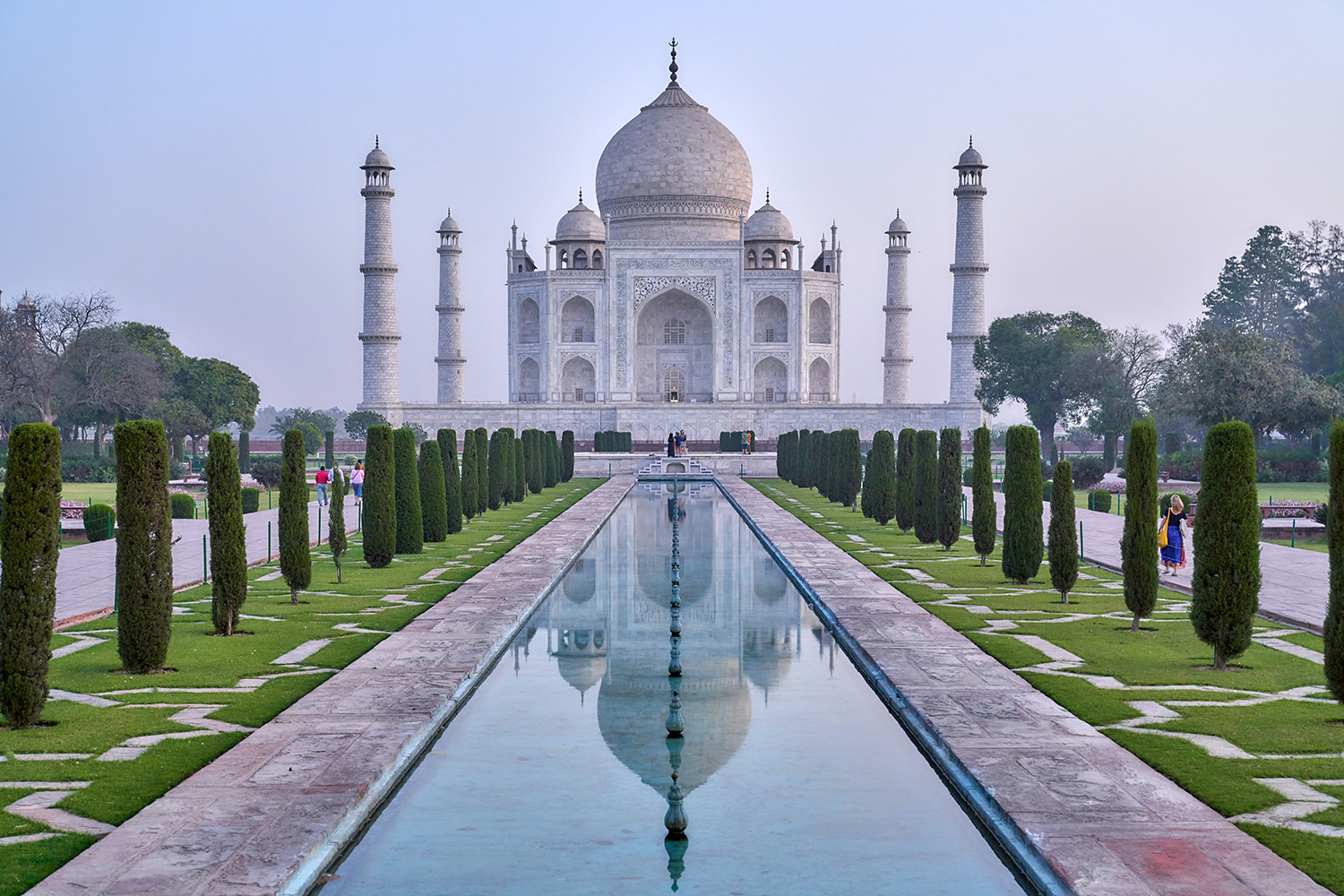
The country boasts numerous UNESCO World Heritage Sites, such as the Taj Mahal, Jaipur City, and the temples of Khajuraho, showcasing its architectural and artistic grandeur. Festivals like Diwali, Eid, Holi, and Christmas reflect the country’s religious diversity and cultural vibrancy, often celebrated with elaborate rituals, music, and dance.
Indian cuisine is another vital aspect of its cultural heritage, characterized by regional variations and the use of diverse spices. Dishes like biryani, dosa, and paneer tikka are just a glimpse of the culinary richness that defines India.
Nature and Biodiversity
India’s natural beauty is breathtaking, ranging from the snow-capped Himalayas in the north to the tropical beaches of Goa and the Thar Desert in the west. The Western Ghats and Eastern Himalayas are recognized as biodiversity hotspots, hosting a wealth of flora and fauna.
The country is home to numerous national parks and wildlife sanctuaries, such as Ranthambore, Jim Corbett, and Kaziranga, which protect endangered species like the Bengal tiger, Indian rhinoceros, and Asiatic lion. India’s diverse ecosystems, including rainforests, wetlands, and coral reefs, contribute to its rich biodiversity and ecological significance.
Economy
India has one of the world’s largest economies, characterized by a mixed economic model. Agriculture remains a critical sector, employing nearly half of the workforce, with key crops including rice, wheat, and cotton. The industrial sector has seen significant growth, particularly in textiles, pharmaceuticals, and information technology.
The services sector, particularly IT and business process outsourcing, plays a crucial role in the economy, contributing substantially to GDP. India is also a major player in global trade, with a diverse export portfolio that includes software, textiles, and agricultural products.
Conclusion
In conclusion, India is a country of unparalleled diversity and depth, offering a rich cultural heritage, stunning natural beauty, and a dynamic economy. Its historical significance, spiritual traditions, and vibrant communities make it a unique destination on the world stage. As India navigates the complexities of modernization and globalization, it remains committed to preserving its cultural identity while embracing progress. The spirit of its people, combined with its rich heritage, ensures that India will continue to captivate the hearts of many for generations to come.