Demonym: DATUM
Capital City: Dili
Coordiantes: 8.55°S 125.56°E
Population: 1.5 million
HDI (Human Development Index): 0.566
GDP (Nominal): $2bil
Timor-Leste, officially known as the Democratic Republic of Timor-Leste, is a small Southeast Asian nation occupying the eastern half of the island of Timor. Gaining independence in 2002, it is one of the newest countries in the world and is marked by a rich cultural heritage, diverse landscapes, and significant natural resources. Timor-Leste is often celebrated for its vibrant traditions and stunning scenery, making it a unique destination for travelers and a symbol of resilience and hope for its people.
Geography and Climate
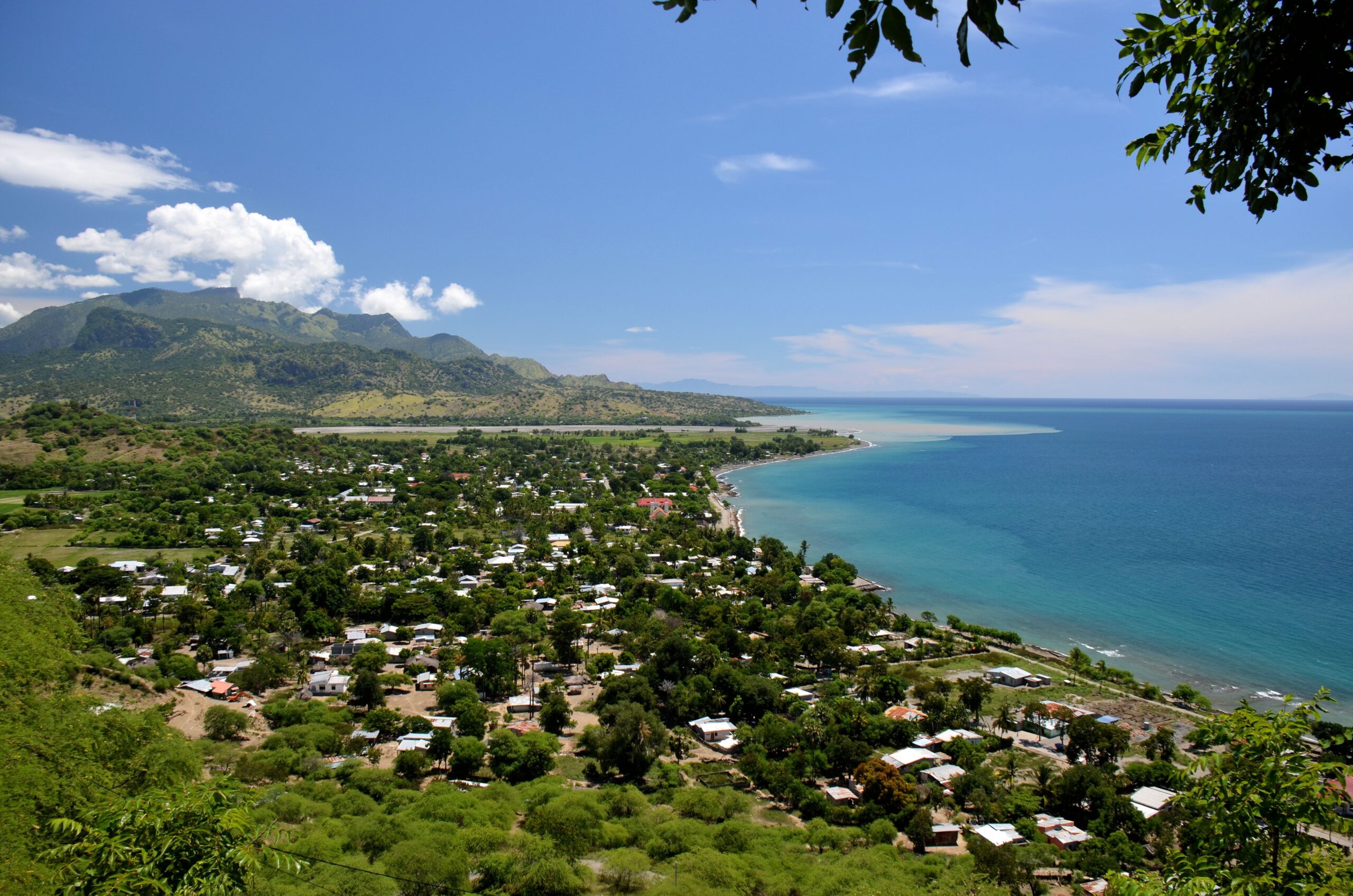
Timor-Leste covers an area of approximately 15,007 square kilometers, including the eastern half of Timor Island, the nearby islands of Atauro and Jaco, and the exclave of Oecusse, which is surrounded by Indonesian territory. The country's geography is predominantly mountainous, with the central mountain range, known as the Ramelau Range, containing the highest peak, Mount Ramelau, which rises to 2,986 meters.
The climate of Timor-Leste is tropical, characterized by distinct wet and dry seasons. The wet season typically lasts from December to March, bringing heavy rainfall, while the dry season spans from April to November, with higher temperatures and lower humidity. The combination of diverse elevations and climatic conditions supports a variety of ecosystems, from coastal mangroves to lush forests.
Cultural Heritage
Timor-Leste boasts a rich cultural heritage shaped by its indigenous traditions and colonial history. The country is home to over a dozen distinct ethnic groups, each with its own languages, customs, and rituals. Tetum and Portuguese are the official languages, reflecting the nation’s colonial past and its efforts to preserve cultural identity.
Traditional practices play a significant role in daily life, with festivals and rituals celebrating everything from harvests to religious events. The fabric of Timorese culture is woven together by vibrant music, dance, and storytelling. Traditional woven textiles, known as "tais," are not only artistic expressions but also carry cultural significance and are often worn during ceremonies and celebrations.
Natural Beauty and Biodiversity
Timor-Leste is renowned for its breathtaking natural beauty and rich biodiversity. The country features stunning coastlines, pristine beaches, and clear waters that are perfect for diving and snorkeling, particularly in areas like Atauro Island and the Coral Triangle, known for its coral reefs and marine life.
The mountainous interior is lush and diverse, hosting unique flora and fauna. Timor-Leste's national parks, such as Nino Konis Santana National Park, protect important ecosystems and provide habitats for various species, including the endangered Timor sea eagle. The country's biodiversity is a vital resource for conservation and ecotourism, which is gradually becoming more popular.
Economy
The economy of Timor-Leste is primarily based on oil and gas, which account for a significant portion of the nation’s revenue. The Timor Sea reserves have attracted international investment and have been crucial in funding the country’s development. However, agriculture remains important, with the majority of the population engaged in subsistence farming, producing crops like rice, corn, and coffee, which is a key export product.
In recent years, the government has been working to diversify the economy by promoting tourism and sustainable agriculture, recognizing the need to reduce dependence on oil revenues. Efforts to improve infrastructure, education, and healthcare are ongoing to foster economic growth and development.
Conclusion
In conclusion, Timor-Leste is a remarkable nation that embodies resilience and cultural richness. Its stunning landscapes, vibrant heritage, and emerging economy present both challenges and opportunities. As the country continues to navigate its path toward sustainable development and economic diversification, it remains a captivating destination for those eager to explore its beauty and history. From its pristine beaches to its rich cultural traditions, Timor-Leste offers a unique experience that reflects the spirit of its people and the beauty of its land.