Demonym: Egyptian
Capital City: Cairo
Coordiantes: 30°2′N 31°13′E
Population: 107.3 million
HDI (Human Development Index): 0.728
GDP (Nominal): $380.044bil
Egypt, often referred to as the cradle of civilization, is a country that evokes images of ancient pharaohs, monumental architecture, and a vibrant cultural heritage. Straddling the northeastern corner of Africa and the southwestern corner of Asia, Egypt is not only rich in history but also in its geographic diversity, making it a unique destination that has fascinated travelers and scholars for centuries.
Geography and Climate
Egypt covers an area of approximately 1,001,450 square kilometers, with the vast majority of its land being part of the Sahara Desert. The Nile River, the world’s longest river, flows through the country, providing a vital water source for agriculture and supporting life in an otherwise arid landscape. The river splits the country into two distinct regions: the fertile Nile Valley and the surrounding desert.
The climate in Egypt is predominantly desert, characterized by hot summers and mild winters. Coastal areas along the Mediterranean enjoy a more temperate climate, while the interior can experience extreme heat, especially in the summer months, where temperatures can soar above 40°C (104°F). Rainfall is minimal, mostly occurring in winter, making the Nile an essential resource for sustaining agriculture and human habitation.
Cultural Heritage
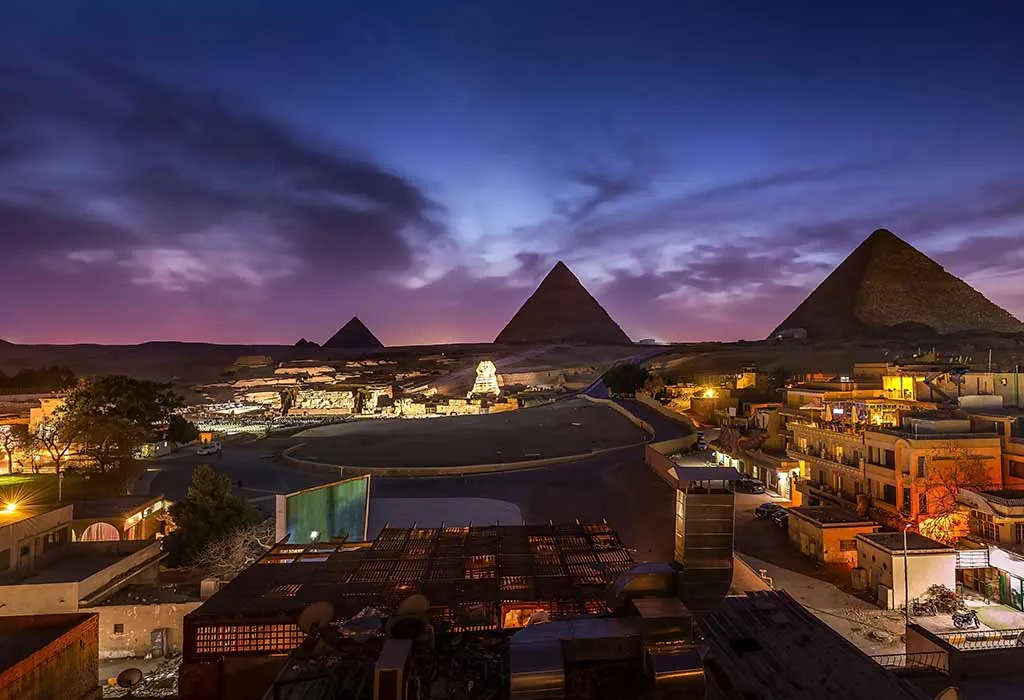
Egypt's cultural heritage is one of the richest in the world, shaped by thousands of years of history. The ancient Egyptians are renowned for their achievements in architecture, art, and governance, leaving behind iconic monuments such as the Pyramids of Giza, the Sphinx, and the temples of Karnak and Luxor. These structures not only reflect the technological prowess of their builders but also their complex religious beliefs and social structures.
The Islamic period introduced a new layer of cultural richness, with stunning mosques, palaces, and bustling bazaars that characterize cities like Cairo and Alexandria. The diverse cultural tapestry of Egypt is also evident in its music, literature, and culinary traditions, blending influences from Arab, Berber, and Mediterranean cultures.
Natural Beauty and Biodiversity
Egypt's natural beauty is remarkable, ranging from the tranquil waters of the Red Sea to the stark, dramatic landscapes of the Western Desert. The Red Sea is famous for its vibrant coral reefs and diverse marine life, making it a prime destination for snorkeling and diving enthusiasts. The Siwa Oasis, nestled near the Libyan border, is an extraordinary example of biodiversity, home to unique flora and fauna, as well as rich cultural traditions.
National parks, such as Ras Mohammed and Wadi El Gemal, protect the ecological diversity of these regions, supporting various species of birds, reptiles, and mammals. The interplay of desert landscapes, lush riverbanks, and coastal beauty creates a stunning backdrop for exploration and adventure.
Economy
Egypt has a mixed economy that relies on agriculture, tourism, and industry. Agriculture, supported by the Nile, produces staple crops like wheat, rice, and cotton. The tourism sector is a significant economic driver, attracting millions of visitors annually to its historical sites and natural wonders. Additionally, the Suez Canal plays a crucial role in global trade, generating significant revenue.
In recent years, Egypt has focused on diversifying its economy, with developments in sectors such as energy, telecommunications, and technology, aiming to boost employment and foster sustainable growth.
Conclusion
In conclusion, Egypt is a land of extraordinary contrasts and profound historical significance. Its unique geography, rich cultural heritage, stunning natural beauty, and evolving economy make it a compelling destination. Whether exploring the timeless pyramids, navigating the vibrant streets of Cairo, or relaxing by the Red Sea, visitors to Egypt are sure to be captivated by its enduring legacy and dynamic present. As a bridge between past and future, Egypt continues to inspire and intrigue all who venture within its borders.