Demonym: Armenian
Capital City: Yerevan
Coordiantes: 40°11′N 44°31′E
Population: 3.02 million
HDI (Human Development Index): 0.786
GDP (Nominal): $25.408bil
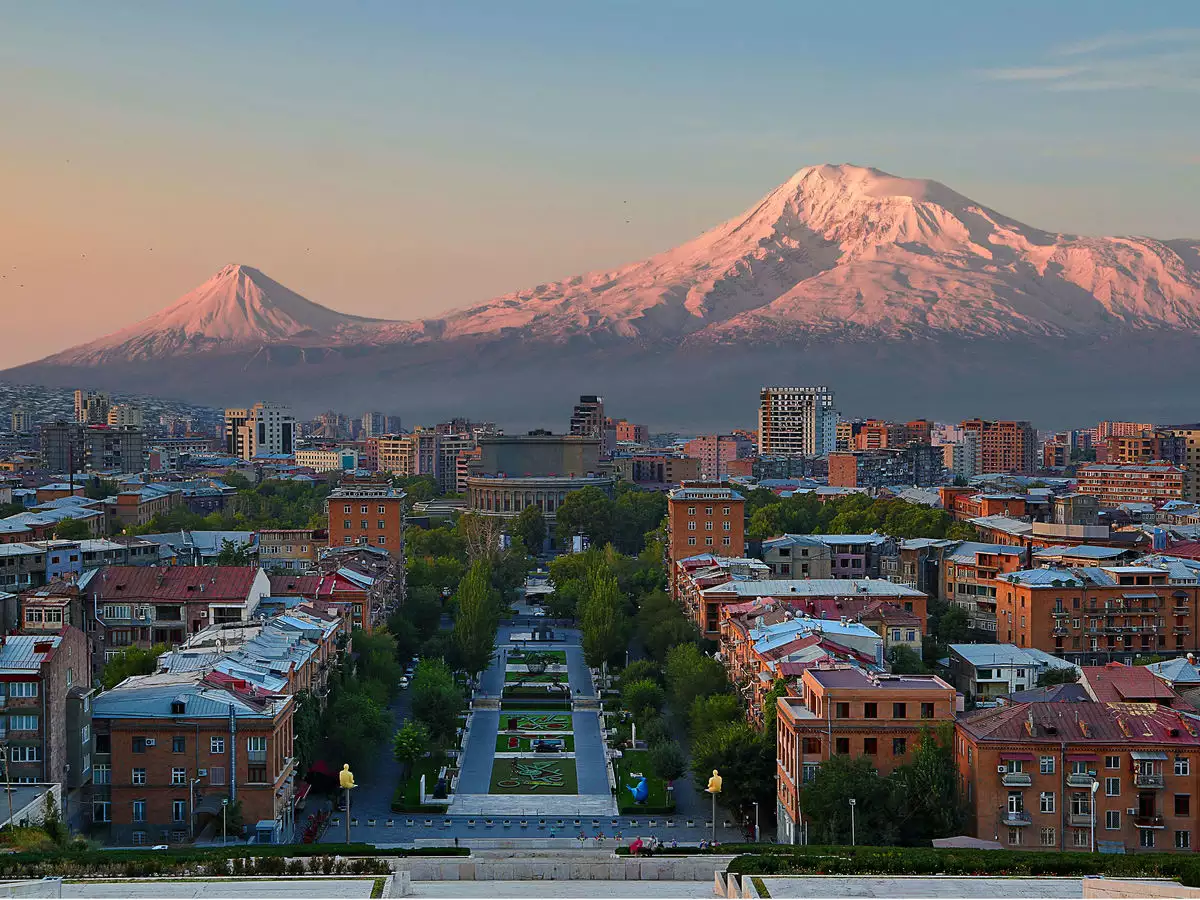
Armenia, a landlocked country nestled in the South Caucasus region of Eurasia, boasts a rich tapestry of history, culture, and stunning landscapes. Known for its ancient heritage and as one of the earliest countries to adopt Christianity, Armenia offers a unique blend of tradition and modernity. Its mountainous terrain and vibrant cities create a picturesque backdrop, inviting exploration and appreciation of its multifaceted identity.
Geography and Climate
Armenia covers an area of about 29,743 square kilometers and is characterized by its rugged mountains and highland plateaus. The country is bordered by Turkey to the west, Georgia to the north, Azerbaijan to the east, and Iran to the south. Mount Ararat, although located in present-day Turkey, is a national symbol and a prominent feature of the Armenian landscape, standing majestically over the plains.
The climate in Armenia is continental, with four distinct seasons. Summers can be hot, especially in the lowland areas, while winters are cold and snowy, particularly in the mountainous regions. Precipitation is moderate, with most rainfall occurring in the spring and early summer. This diverse climate contributes to a variety of ecosystems and agricultural practices throughout the country.
Cultural Heritage
Armenia's cultural heritage is one of its most significant assets, marked by a history that spans over 3,000 years. The country is renowned for its medieval architecture, particularly its churches and monasteries, many of which are UNESCO World Heritage Sites. The Armenian Apostolic Church, one of the oldest Christian denominations in the world, plays a crucial role in the national identity and cultural practices of the Armenian people.
The rich literary tradition includes contributions from renowned poets and writers such as Hovhannes Shiraz and Yeghishe Charents, reflecting the nation's deep philosophical and artistic spirit. Festivals and traditions, such as Vardavar, a water festival celebrating the transfiguration of Christ, highlight the vibrant customs that have persisted through the ages.
Natural Beauty and Biodiversity
Armenia is known for its breathtaking natural landscapes, which include mountainous terrains, lush valleys, and serene lakes. Lake Sevan, one of the largest freshwater high-altitude lakes in the world, is a major natural attraction, offering opportunities for swimming, fishing, and picnicking along its shores. The surrounding Sevanavank Monastery, perched on a peninsula, adds to the scenic beauty.
The country is home to diverse flora and fauna, with numerous national parks and protected areas. Khosrov Forest State Reserve and Dilijan National Park are notable examples, showcasing Armenia's commitment to conservation. The biodiversity of these areas includes endemic species and important habitats, making Armenia a vital region for ecological preservation.
Economy
Armenia's economy has undergone significant transformations since gaining independence from the Soviet Union in 1991. The country has shifted from a primarily agrarian economy to a more diversified one, with sectors such as information technology, tourism, and agriculture playing vital roles. The agricultural sector remains important, producing crops like fruits, vegetables, and wine, which reflect Armenia's rich agricultural heritage.
Tourism has emerged as a key driver of economic growth, with visitors attracted by the country’s historical sites, natural beauty, and warm hospitality. The government is actively promoting Armenia as a travel destination, investing in infrastructure and marketing initiatives.
Conclusion
In conclusion, Armenia is a nation of profound historical significance and natural beauty. Its rich cultural heritage, stunning landscapes, and evolving economy create a unique identity that captivates visitors. From the ancient monasteries dotting the mountains to the vibrant cities bustling with life, Armenia offers a remarkable journey through time and nature. As the country continues to embrace its heritage while forging a modern path, it stands as a testament to resilience and cultural richness in the heart of the Caucasus.