Demonym: Afghan
Capital City: Kabul
Coordiantes: 34°31′N 69°11′E
Population: 40 million
HDI (Human Development Index): 0.462
GDP (Nominal): $20.136bil
Afghanistan, a landlocked country located in South-Central Asia, is known for its rugged mountainous terrain, rich cultural history, and complex political landscape. Covering an area of approximately 652,230 square kilometers, Afghanistan shares borders with six countries: Pakistan to the south and east, Iran to the west, Turkmenistan, Uzbekistan, and Tajikistan to the north, and China to the northeast.
With a population of around 39 million, the country is ethnically diverse, comprising various groups including Pashtuns, Tajiks, Hazaras, and Uzbeks.
Geography and Climate
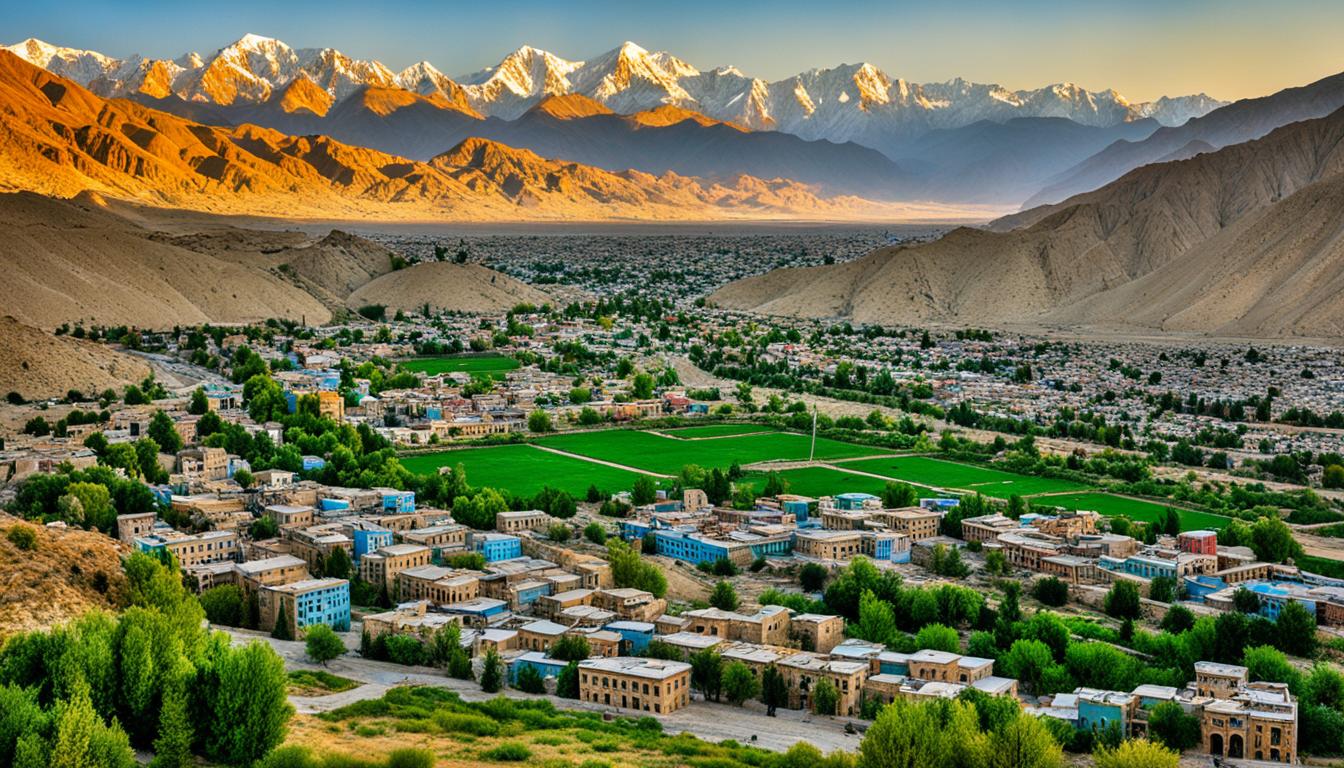
Afghanistan's geography is predominantly mountainous, with the Hindu Kush range running through the center of the country.
These mountains give way to high plateaus, fertile valleys, and deserts.
The country’s highest peak, Noshaq, reaches 7,492 meters, making it a prominent feature of the landscape.
The climate varies significantly across regions, influenced by altitude and topography.
Generally, Afghanistan experiences a continental climate, characterized by hot summers and cold winters.
In the lowland areas, temperatures can soar above 40°C in summer, while in the mountainous regions, winters can be harsh, with heavy snowfall and freezing temperatures.
Cultuiral Heritage
Afghanistan has a rich cultural heritage shaped by its history as a crossroads of civilizations along the ancient Silk Road.
The country boasts a vibrant history of arts, literature, and architecture, influenced by Persian, Greek, Arab, and Central Asian cultures.
Historical sites, such as the Buddhas of Bamiyan and the ancient city of Herat, reflect this rich past.
Afghan culture is deeply rooted in traditions, with a strong emphasis on hospitality and community.
The art of storytelling is cherished, with epic poems like the “Shahnameh” and local folktales being passed down through generations.
Afghan music, featuring instruments such as the rubab and dutar, plays a significant role in cultural expression.
Political Structure and Economy
Afghanistan’s political landscape has been tumultuous, particularly over the past few decades.
Following decades of conflict, including the Soviet invasion, civil war, and the rise and fall of the Taliban regime, the country has faced significant challenges in establishing stability and governance.
The U.S.-led invasion in 2001 aimed to dismantle the Taliban and promote democracy, but political instability and security issues have persisted.
In August 2021, the Taliban regained control of the country, leading to significant shifts in governance and international relations.
The situation remains fluid, with ongoing humanitarian challenges and economic struggles exacerbated by international sanctions and a lack of recognition from many countries.
**Economy**
Afghanistan’s economy is largely agrarian, with agriculture employing a significant portion of the population.
Key crops include wheat, corn, fruits, and opium poppy, the latter of which has been a controversial source of income.
In addition to agriculture, the country possesses valuable mineral resources, including lithium, copper, and natural gas, which remain largely untapped due to ongoing conflict and instability.
Natural Beauty and Biodiversity
Afghanistan is home to stunning natural landscapes, from the majestic mountains of the Hindu Kush to the lush valleys of Bamyan and the arid deserts of Helmand.
National parks and protected areas, such as Band-e Amir, showcase the country’s biodiversity and offer opportunities for ecotourism and exploration.
Conclusions
Afghanistan is a nation of profound beauty and resilience, marked by its rich cultural heritage and challenging history.
While the country faces significant obstacles, the spirit of its people and the richness of its traditions offer hope for a brighter future.
Afghanistan remains a land of opportunity, intrigue, and deep historical significance, inviting those who wish to understand its complexities and beauty.