WELCOME TO ASIA

SOUTHEAST ASIA/ ASEAN

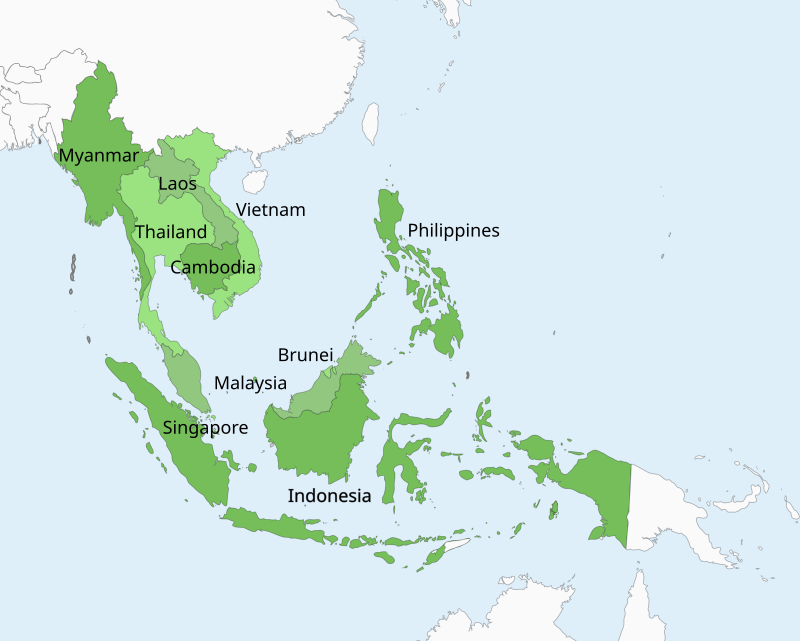
Southeast Asia is a vibrant region known for its rich cultural diversity, stunning landscapes, and dynamic economies. Comprising countries like Thailand, Vietnam, Indonesia, and the Philippines, it boasts a tapestry of languages, religions, and traditions. The region is famous for its tropical climate, pristine beaches, lush jungles, and bustling cities. Historical sites like Angkor Wat and colonial architecture reflect its complex past. Southeast Asia is also a hub for culinary delights, offering everything from street food to fine dining. With a blend of natural beauty and cultural heritage, it attracts millions of tourists seeking adventure and exploration.
SOUTH ASIA

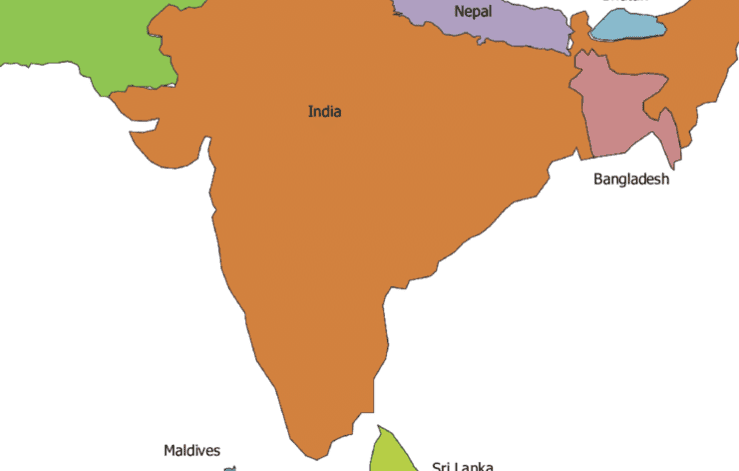
South Asia is a culturally rich and diverse region encompassing countries like India, Pakistan, Bangladesh, Nepal, Bhutan, and Sri Lanka. Known for its vast landscapes ranging from the towering Himalayas to fertile plains, South Asia is home to a multitude of languages, religions, and traditions. Major historical sites, such as the Taj Mahal and ancient temples, reflect its deep heritage. The region boasts vibrant markets, flavorful cuisines, and colorful festivals that celebrate its cultural mosaic. Economically dynamic, South Asia is experiencing rapid growth, making it a focal point for innovation and development while facing challenges related to population and resources.


MIDDLE EAST

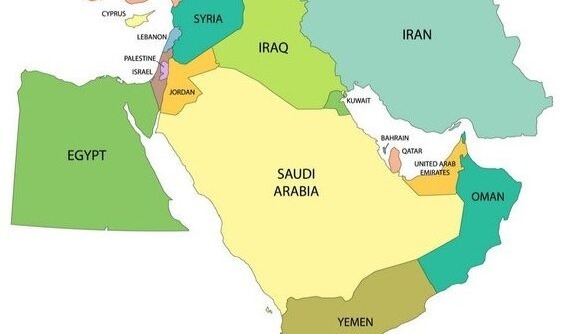
The Middle East is a region of profound historical significance, rich cultural diversity, and complex geopolitical dynamics. Encompassing countries such as Saudi Arabia, Iran, Israel, Egypt, and the UAE, it is often considered the cradle of civilization, home to ancient cities like Jerusalem and Babylon. The region features a variety of landscapes, from vast deserts to fertile river valleys. It is renowned for its contributions to art, science, and religion, being the birthplace of major faiths like Islam, Judaism, and Christianity. Economically, the Middle East plays a crucial role in global energy markets, while its vibrant traditions and cuisines attract visitors worldwide.


EAST ASIA

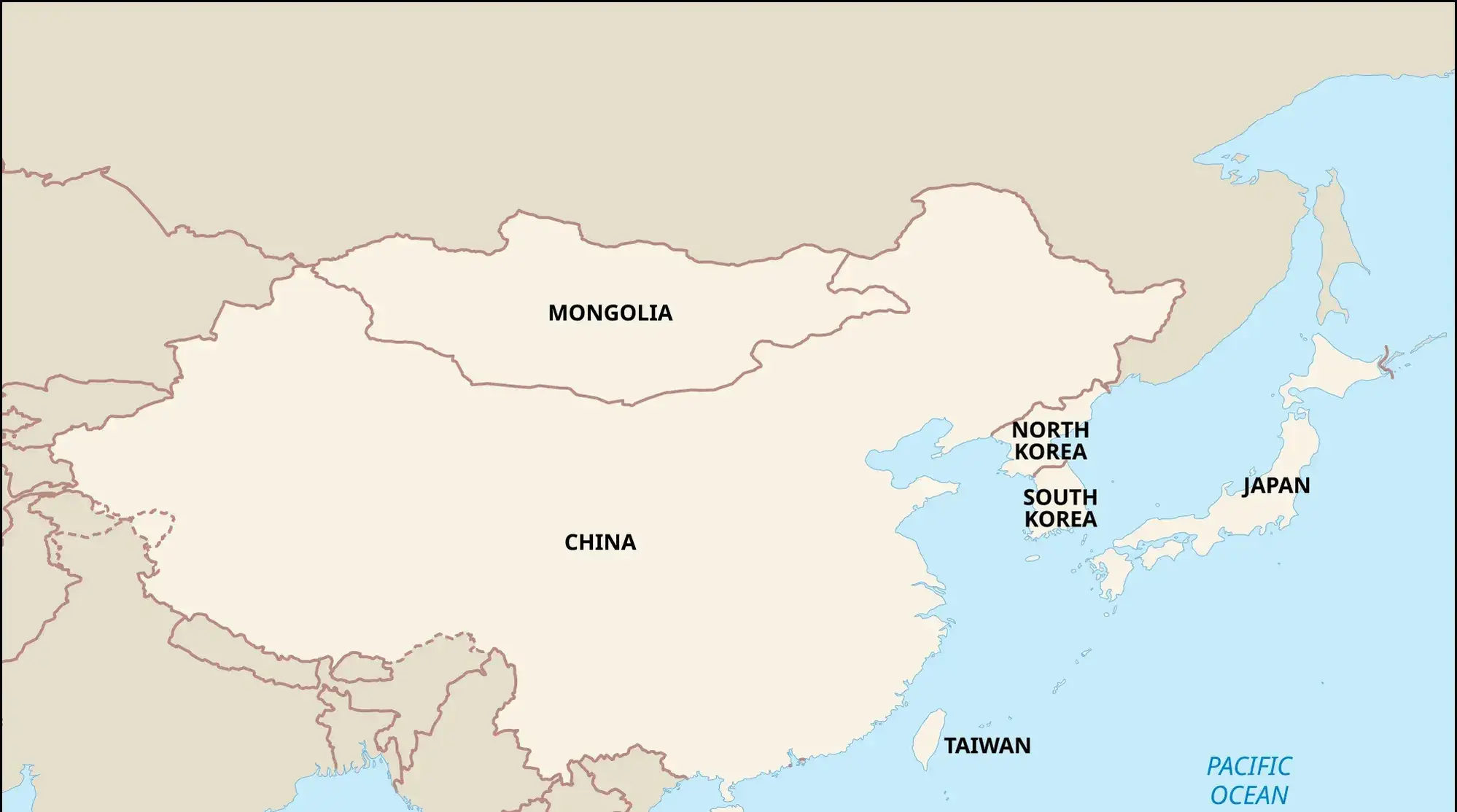
East Asia is a dynamic region characterized by its rich history, technological advancements, and cultural diversity. Comprising countries like China, Japan, South Korea, Mongolia, and Taiwan, it features a blend of ancient traditions and modern innovation. The Great Wall of China, Kyoto’s temples, and Seoul’s skyscrapers illustrate its architectural diversity. East Asia is renowned for its contributions to philosophy, art, and cuisine, from sushi to dim sum. Economically, it is a powerhouse, with major global cities driving trade and technology. The region's breathtaking landscapes, from Mount Fuji to the Yangtze River, enhance its allure, making it a captivating destination for exploration.


CENTRAL ASIA

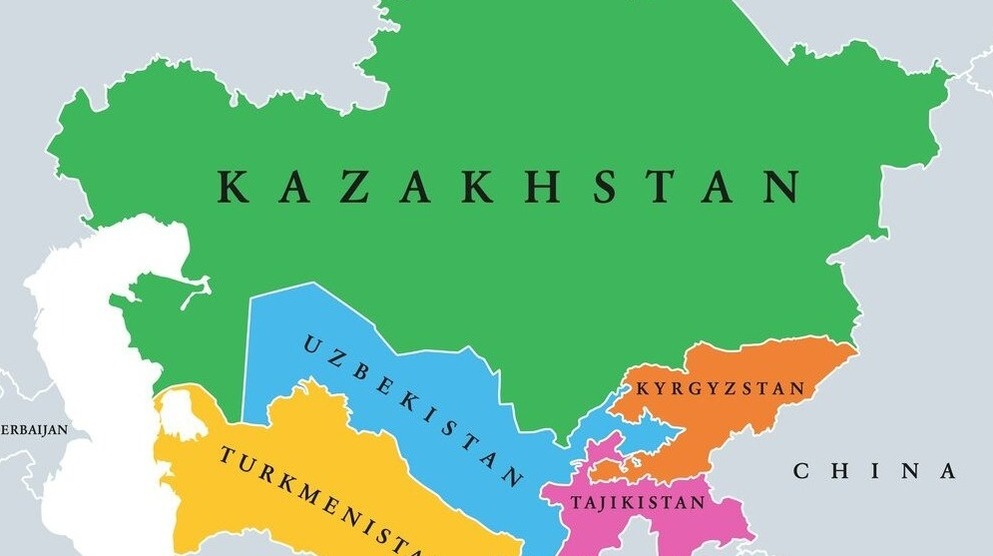
Central Asia is a vast and intriguing region known for its rich cultural heritage and stunning landscapes. Comprising countries like Kazakhstan, Kyrgyzstan, Tajikistan, Turkmenistan, and Uzbekistan, it serves as a historical crossroads of trade along the Silk Road. The region features diverse geography, from the towering Tien Shan mountains to expansive deserts and steppes. Central Asia is home to vibrant traditions, including nomadic lifestyles and unique crafts, reflected in its architecture and festivals. The cities of Samarkand and Bukhara boast magnificent historical sites. As Central Asia increasingly engages with global trade and development, it remains a captivating blend of history and modernity.


TRANSCONTINENTAL COUNTRIES

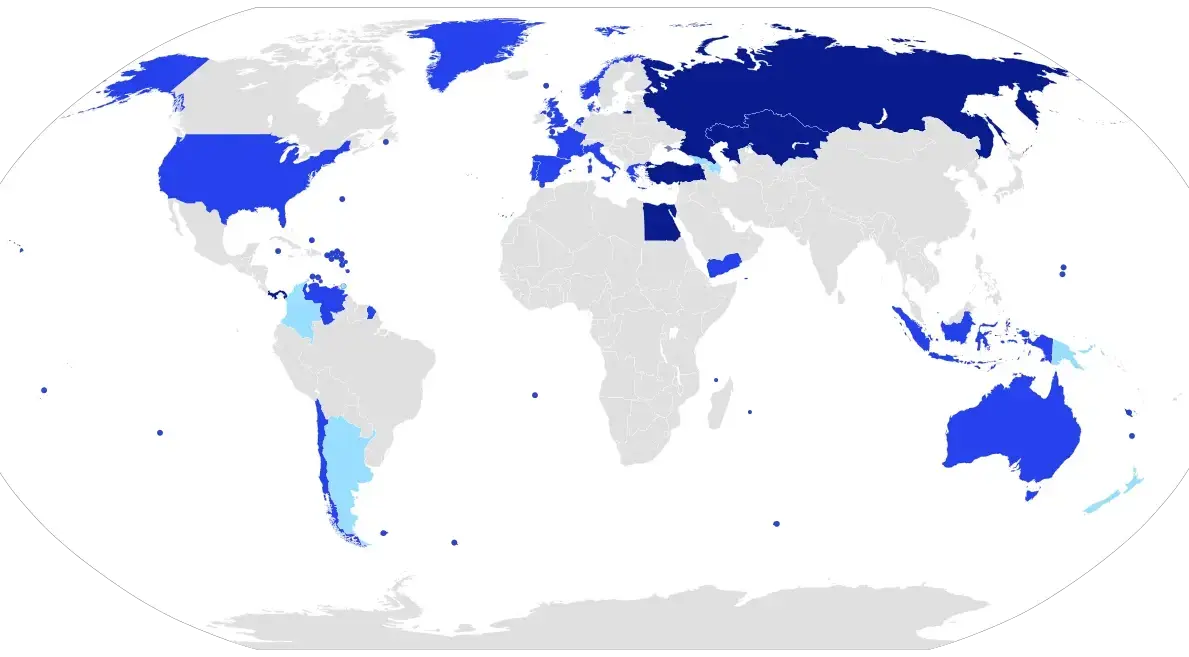
Transcontinental countries in Asia bridge the gap between continents, enhancing cultural and economic exchange. Notable examples include Turkey, which connects Asia and Europe through the Bosporus Strait, and Russia, the world's largest country, spanning both Asia and Europe. Azerbaijan, straddling the boundary between Eastern Europe and Western Asia, also plays a significant role in this context. These nations feature diverse landscapes, from Turkey’s mountainous regions to Russia’s vast Siberian plains. Their unique positions foster rich cultural fusions, historical ties, and strategic geopolitical significance, making them vital players in global affairs, trade, and cross-continental collaboration.